What Coinbase Is
Coinbase is a US-based cryptocurrency exchange that serves as an entry point for individuals and institutions interested in digital assets. Founded in 2012, the exchange has grown into one of the most recognizable brands in the crypto industry. It is regulated by key federal and state authorities, providing a level of oversight and official scrutiny that many global competitors do not have. Coinbase’s platform allows users to buy, sell, and securely store a wide range of cryptocurrencies, including Bitcoin, Ethereum, and several altcoins, with a strong emphasis on compliance, user security, and reliable access for US residents.
The company reports that millions of verified users have transacted on the exchange, with institutional clients accounting for a growing share of overall trading volume. You can access Coinbase online through a web platform or a mobile app, which both offer basic trading, portfolio tracking, and deposit/withdrawal functionality. For investors who are not focused on day trading but want exposure to digital assets in a self-directed account, Coinbase offers relatively intuitive tools. The platform’s reach extends beyond simple spot trading; features like recurring buys, USD custody, advanced charting, staking for supported coins, and tax reporting are integrated for retail investors.
Security and transparency are core selling points. Coinbase is one of the few cryptocurrency exchanges to be publicly traded and subject to SEC reporting, which means it operates with standardized financial disclosures and independent audits. The firm emphasizes regulatory compliance, especially in the United States, which translates into tighter controls around customer identification, anti-money laundering (AML) standards, and insurance coverage for digital assets held in its custodial wallets. For users seeking a mainstream, regulated route into digital assets, Coinbase is usually the first name to come up.
Who Coinbase Is For
Coinbase is designed for individual investors who want regulated, user-friendly access to cryptocurrencies, particularly those who prioritize security and compliance in their investment approach. If your goal is to add digital assets such as Bitcoin or Ethereum to a diversified portfolio, and you prefer to avoid complicated interfaces or offshore exchanges, Coinbase fits the brief. Its onboarding process walks new users through verifying identity, funding an account by ACH, wire, or debit, and making the first purchase or transfer, making it well-suited for newcomers as well as more experienced hands who want a straightforward execution platform.
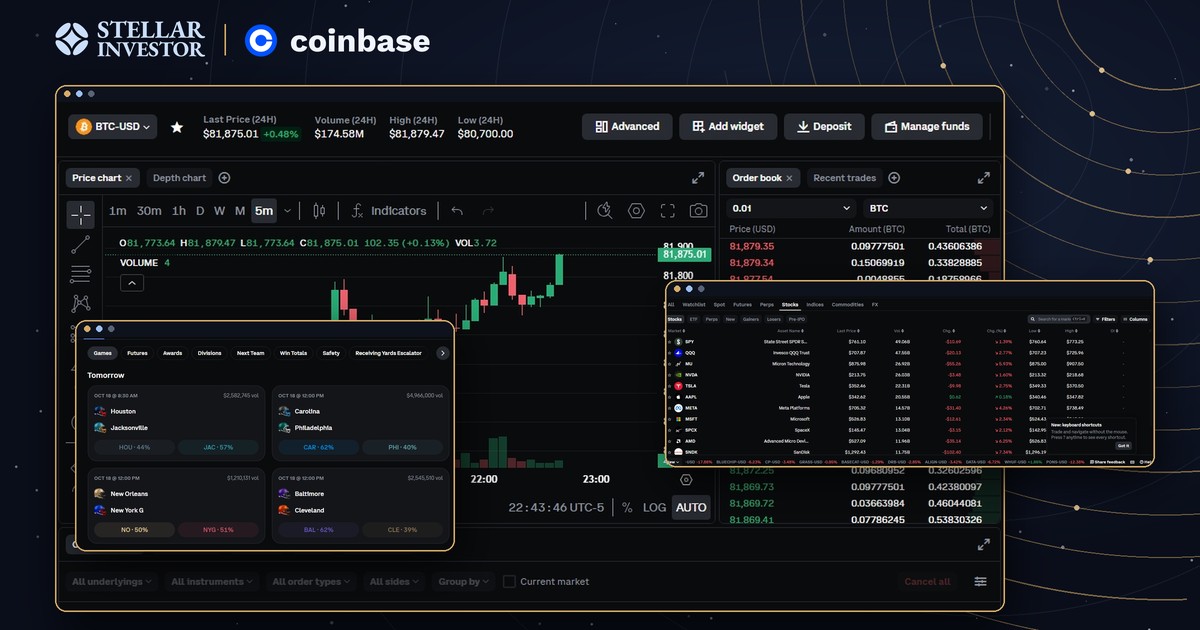
For self-directed investors seeking custodial wallets with insurance and attentive regulatory controls, Coinbase offers a practical solution. Asset coverage for digital holdings provides a level of reassurance not standard on every crypto platform. The clean user interface and automated tax reporting features serve those who want to integrate crypto into overall portfolio management without adding complexity. It is not ideal for high-frequency traders or those who demand granular control over order types—more advanced trading tools are available on Coinbase’s separate platform, Coinbase Advanced, but most mainstream portfolio investors use the main Coinbase product.
It also works for institutional clients needing compliant infrastructure for large-scale custody and reporting, but the primary audience is individual retail investors. For users who hold assets for the long term, and who want to automate recurring purchases, Coinbase offers automation without a steep learning curve. Familiarity, brand stability, and regulatory compliance make it a leading option for those seeking a known entity in digital assets.
The standout features in practice
Simple and secure onboarding
Account creation is relatively straightforward, requiring an email, secure password, and stepwise identity verification. The platform is designed to walk new users through compliance requirements, including KYC and linking a bank account. Once verified, users can transfer money in via ACH, wire, or debit card, often with cash available for trading as soon as the ACH settles. Mobile security settings allow features such as two-factor authentication and biometric login.
The platform sends clear notifications regarding account activity, deposit/withdrawal status, and security events. This reduces uncertainty for investors new to digital assets who may be worried about off-platform scams or mishandling of funds.
Wide selection of supported assets
Coinbase lists a curated range of digital assets, with a focus on compliance and technical review: major currencies like Bitcoin, Ethereum, and Solana are joined by a selection of vetted altcoins, including options for staking. The list is not as broad as those of global exchanges, but each coin is reviewed for legal and technical safety before listing. This helps investors avoid some of the more speculative or illiquid tokens that appear on overseas competitors. Supported digital assets can be purchased directly, transferred into self-custody wallets, or staked (when eligible), offering flexibility for retail investors.
Integrated staking and yield options
For several proof-of-stake coins like Ethereum and Solana, Coinbase provides integrated staking. This lets users earn protocol-level rewards directly through the platform, with no need for separate wallets or third-party staking services. Staked assets remain visible in portfolio dashboards. Users should be aware of both the potential yield and the platform’s cut of staking rewards, which Coinbase discloses in the relevant interface. Staking eligibility and reward rates depend on the specific asset.
Automated buying options (for dollar-cost averaging) mean long-term investors can set and forget, purchasing on a fixed schedule using linked bank accounts. Coinbase also automatically calculates and formats tax records for realized gains and income, providing downloadable reports for US tax season.
Compliance, custody, and insurance
Coinbase is explicit about its custodial setup: customers’ USD balances are held at insured US banks, and digital assets stored in Coinbase’s custodial wallets are protected by a commercial crime insurance policy (note that SEC rules do not apply to digital asset insurance, so this coverage is not identical to FDIC or SIPC). Public company status means regular disclosures and a certain level of operational transparency uncommon among digital asset venues.
The company’s compliance team monitors for suspicious activity and blocks or restricts problematic transfers and accounts in line with US banking laws. This can mean slower onboarding or additional verification prompts, but also provides more assurance that the exchange follows US law.
Pricing
Coinbase uses a tiered fee model that depends on transaction type, size, and payment method. For the core Coinbase interface, the price you see for each buy or sell includes a spread, generally ranging from 0.5% to 2.0% depending on the asset and market volatility. On top of that, Coinbase may charge a flat or percentage fee for each transaction. ACH transfers from bank accounts are usually free, while debit card purchases and some instant buy options carry higher fees. Withdrawals to external wallets are charged network fees based on blockchain congestion.
For larger or more active traders, Coinbase offers a separate “Advanced Trade” platform with a maker-taker fee schedule, where costs drop with higher volume. Most retail users, however, will interact only with the standard pricing. All fees are disclosed during the transaction process, so there are no hidden charges, but users should expect to pay more than on most global exchanges—Coinbase charges a premium for regulatory status, custody, and user support.
Staking rewards are also net of Coinbase’s service fee, which varies depending on the supported asset. The platform does not charge for holding assets in your account, and basic wallet services are generally free. Keep in mind that rapid buying or selling can result in higher overall costs when spreads are wide.
Honest Limitations
Coinbase charges higher transaction and spread fees compared to global competitors, reflecting its regulatory position. Some investors may find the selection of supported coins smaller than on offshore exchanges, and high-frequency traders may prefer more advanced order controls.
Verdict
Coinbase stands out as a well-regulated, user-centric exchange for investors adding digital assets to a broader portfolio. Its mix of compliance, straightforward interface, and robust custody gives US-based retail users a simple way to allocate to crypto without facing the risks and difficulties of less-regulated overseas options. The fees may be higher than on some other platforms, but for many, the cost is justified by peace of mind and service quality. If your priority is safe, compliant access and portfolio integration rather than aggressive trading or exposure to niche tokens, Coinbase delivers.
For those who value regulatory clarity, ease of use, and reliable customer support, Coinbase remains the go-to option among US-based exchanges. It is not geared for active speculators or traders seeking the lowest possible fees or the broadest asset list, but it is a strong choice for long-term, security-minded investors building a digital asset allocation.