What Robinhood Is
Robinhood is a trading platform designed to give individual investors direct access to the stock, options, and ETF markets with no commission fees. Introduced in 2013, Robinhood was among the first brokerages to remove commissions from retail equity trades, effectively prompting most of the industry to follow suit. Its core appeal lies in simplicity: investors can buy and sell stocks, ETFs, and options without incurring per-trade costs that were once standard at legacy brokerages. Robinhood also supports fractional shares, so users can invest precise dollar amounts in high-priced stocks. This suits accounts of nearly all sizes, particularly for those starting out or looking to experiment with smaller positions.
The app’s design puts usability front and center, making the process of placing a trade or monitoring a position quick and intuitive. Investors can fund their account by bank transfer, ACH, or via wire. Robinhood also offers cryptocurrency trading for assets such as Bitcoin and Ethereum, expanding its appeal for users interested in exposure outside traditional equities. Margin access is available through a paid plan called Robinhood Gold, which adds research data, larger instant deposits, and interest on uninvested cash. For investors looking primarily for broad asset coverage and transparent costs, Robinhood’s core set of tradable securities can meet the needs of allocations in US-listed stocks, ETFs, and basic crypto exposure.
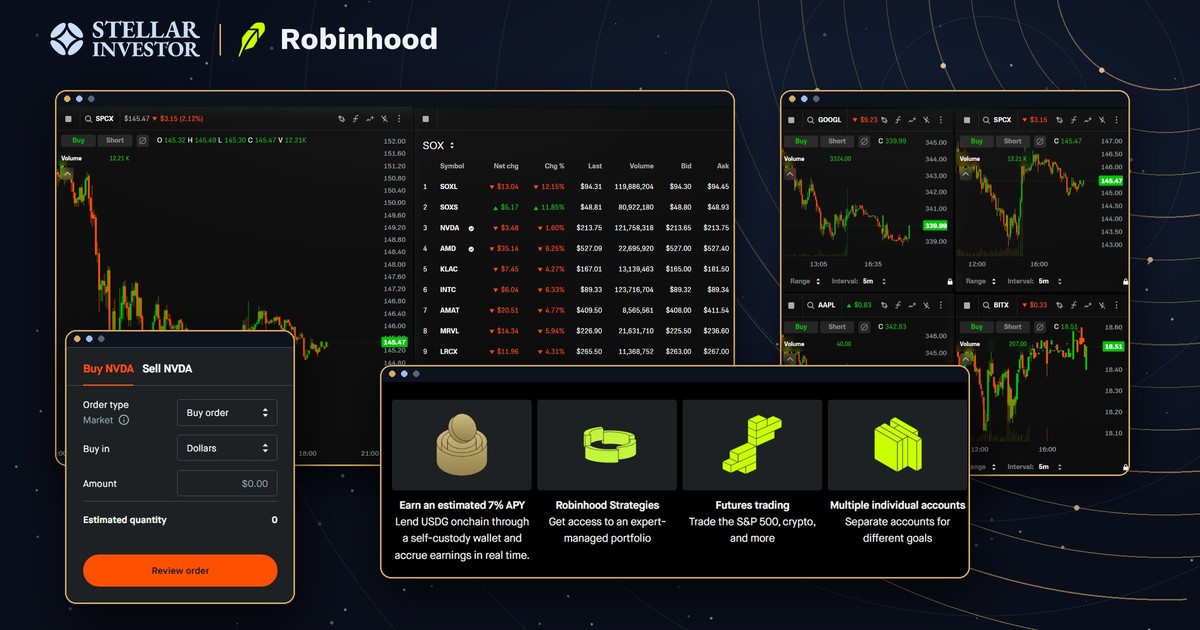
Information and utility are focused on the essentials: price charts, news pulled from major outlets, customizable watchlists, and straightforward order forms. Its mobile-native design means that users can manage their portfolios and execute trades easily from smartphones, with equal access through a web dashboard. There’s no downloadable platform or software to install—everything happens in the browser or in the app. Robinhood’s mission has always been accessibility, and its product remains focused almost entirely on execution, low costs, and user convenience.
Who Robinhood Is For
Robinhood is aimed at self-directed investors who seek ease of use and minimal fees. The platform prioritizes simplicity, which suits those interested in standard investing and trading activities across stocks, ETFs, and options, rather than advanced analytics or complex order types. Users looking to experiment with smaller amounts of money—whether to dollar-cost average into the market, buy fractional shares, or explore basic strategies—will find Robinhood especially congenial. Its accessible interface ensures that novices can get up to speed without a steep learning curve, while experienced traders benefit from fast execution and real-time data.
The absence of minimum account balance requirements helps broaden Robinhood’s reach, accommodating those who are just starting with modest amounts. It’s also a reasonable fit for more frequent traders or options traders who want to save on commissions, as all trades (outside crypto and margin fees) are commission-free. However, Robinhood is less suitable for investors demanding advanced charting, deep research terminals, or access to international stocks and alternative asset classes beyond listed cryptocurrencies. Users who are keen to manage a taxable account or Roth IRA within a straightforward, app-based environment will find Robinhood’s feature set appropriate to their needs, so long as they are comfortable with a limited menu of research tools. Overall, the platform works for those prioritizing efficiency and transparency in day-to-day investing.
The standout features in practice
Zero-commission trading
Robinhood’s most defining feature, zero-commission trading, underpins the entire platform. Every trade in stocks, ETFs, and options can be executed without paying a flat fee or per-contract charge. This makes the costs of short-term or frequent trading far lower and encourages tactical moves for any account size. Users retain complete transparency about what they’re paying: outside of regulatory or exchange-mandated fees (usually pennies per transaction), a typical buy or sell order for shares or ETFs incurs no additional cost. Compared to legacy brokerages that often charged $5–$10 per trade, commission savings over time can be substantial, particularly for users regularly adjusting their portfolio or trading options.
Fractional shares and recurring investing
Another practical Robinhood feature is the ability to buy fractional shares. This means users can invest as little as $1 in companies with higher share prices, such as Alphabet or Tesla, making portfolio diversification more accessible. Fractional shares support recurring investments, so users can automate steady contributions into stocks or ETFs. Setting up recurring buys is simple: select the asset, decide on the frequency (daily, weekly, biweekly, or monthly), and specify the dollar amount. This enables users to systematize investments, a helpful feature for those following a dollar-cost averaging approach or prioritizing automated discipline in building positions over time.
Options trading access
Robinhood allows commission-free options trading, including both basic and multi-leg strategies such as spreads and straddles. For investors interested in hedging risk, speculating on market moves, or generating income through covered calls, options can play a significant role. Robinhood’s interface makes entering, reviewing, and exercising option contracts straightforward, with risk disclosures and education links embedded at each step. While the tools don’t cover every strategy found in pro trading suites, common single- and multi-leg orders are fully supported. The lack of per-contract fees and the low account minimum make options trading more accessible to a new generation of retail traders seeking leverage and flexibility without high fixed costs.
Cryptocurrency trading
Robinhood supports commission-free trading in several cryptocurrencies such as Bitcoin, Ethereum, and Dogecoin. The product emphasizes quick execution and simple order entry, appealing to users motivated by accessibility and a desire for position management in both traditional and digital assets. While the crypto offering does not include the advanced staking, lending, or transfer options found in some specialized exchanges, users can get exposure to price moves in major assets directly from the same app as their stocks and ETFs. This integration is convenient for investors looking to monitor and manage traditional and digital holdings in a single portfolio view.
Pricing
Robinhood’s pricing is straightforward: trading US-listed stocks, ETFs, and options is free of any commission or per-contract fee. There are no account minimums for opening or maintaining a brokerage account, keeping the platform accessible for all balances. Fractional shares and recurring investments are included at no extra cost. Robinhood Gold, a premium monthly subscription, introduces additional features for a flat fee (currently about $5 per month, but always confirm directly), including access to margin trading, professional-level research from Morningstar, higher instant deposit limits, and interest on uninvested cash. The Gold subscription is optional, and regular users are not required to subscribe for basic trading functions. Margin interest is charged separately based on the amount borrowed.
Cryptocurrency trades are also commission-free, but Robinhood makes money via a spread between the bid and ask prices. Regulatory or exchange fees mandated by third parties—such as the SEC or FINRA—may sometimes apply, but rarely exceed a few cents per trade. Wire transfers, paper statements, and outgoing transfers can incur small fees, which are listed transparently on the Robinhood website. Overall, for most users trading stocks, ETFs, options, and major cryptocurrencies, Robinhood imposes no trading commission or minimums, with costs primarily centered on optional premium features.
Honest Limitations
Robinhood’s research tools, charting, and analytics are more limited than those at full-featured brokerages. Investors needing advanced portfolio management or access to international equities may find its offering too narrow. For heavy margin users, specialized or traditional brokerages may offer more flexibility and lower borrowing rates.
Verdict
Robinhood has carved out a strong role in the US brokerage landscape by emphasizing low-cost, accessible trading for retail investors. Its commission-free structure, mobile-first design, and straightforward product menu make it well suited for self-directed accounts focused on equities, basic options strategies, and recurring investing. While the app is not aimed at professional day traders or those needing sophisticated workflow tools, it succeeds in delivering low-friction stock and options trading to a wide base. The platform’s integration of crypto trading and access to fractional shares builds out its utility for users managing their own portfolios with flexibility and speed. For those seeking a simple, reliable execution venue, Robinhood remains a top choice. As always, users should review specific product features to ensure the set matches their investing style and needs.